Healthcare

We find what others miss.

Our imaging systems read CT, X-ray, ultrasound, and MRI for signs of cancer and disease, and show clinicians exactly where to look. Then we evolve them for the cases standard AI gets wrong.

What our systems see

Every flag comes with the evidence.

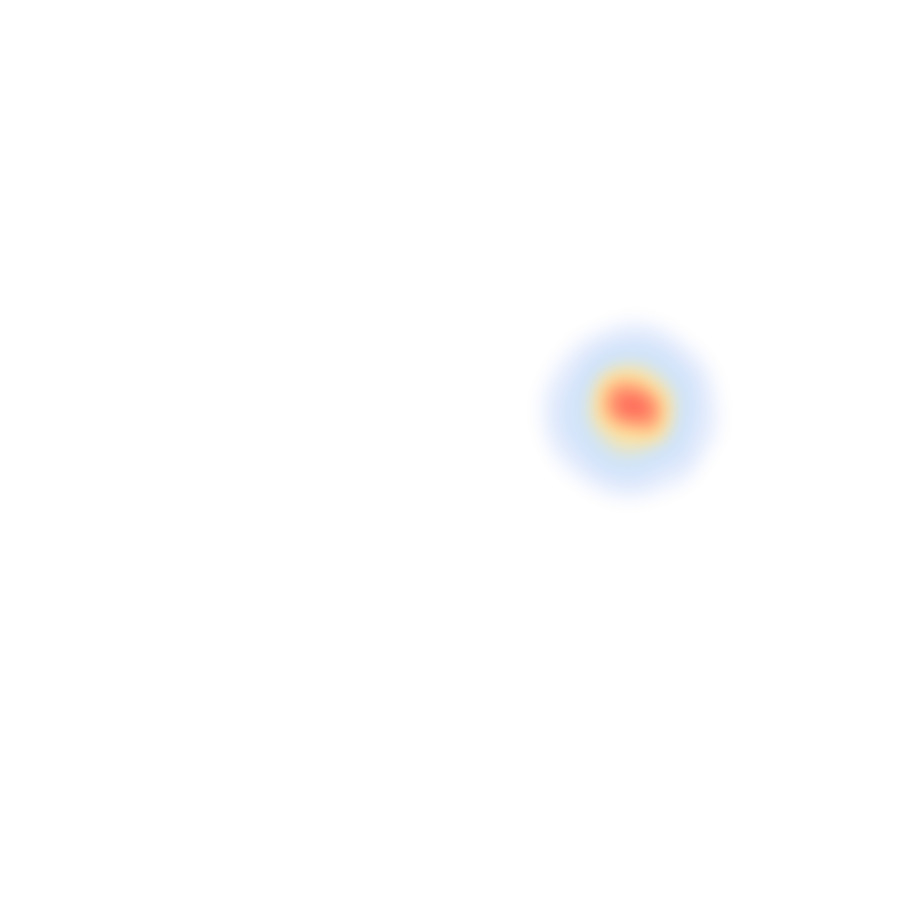
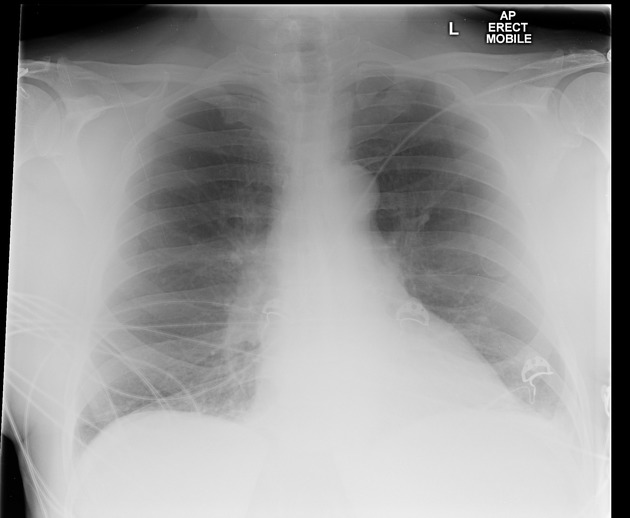
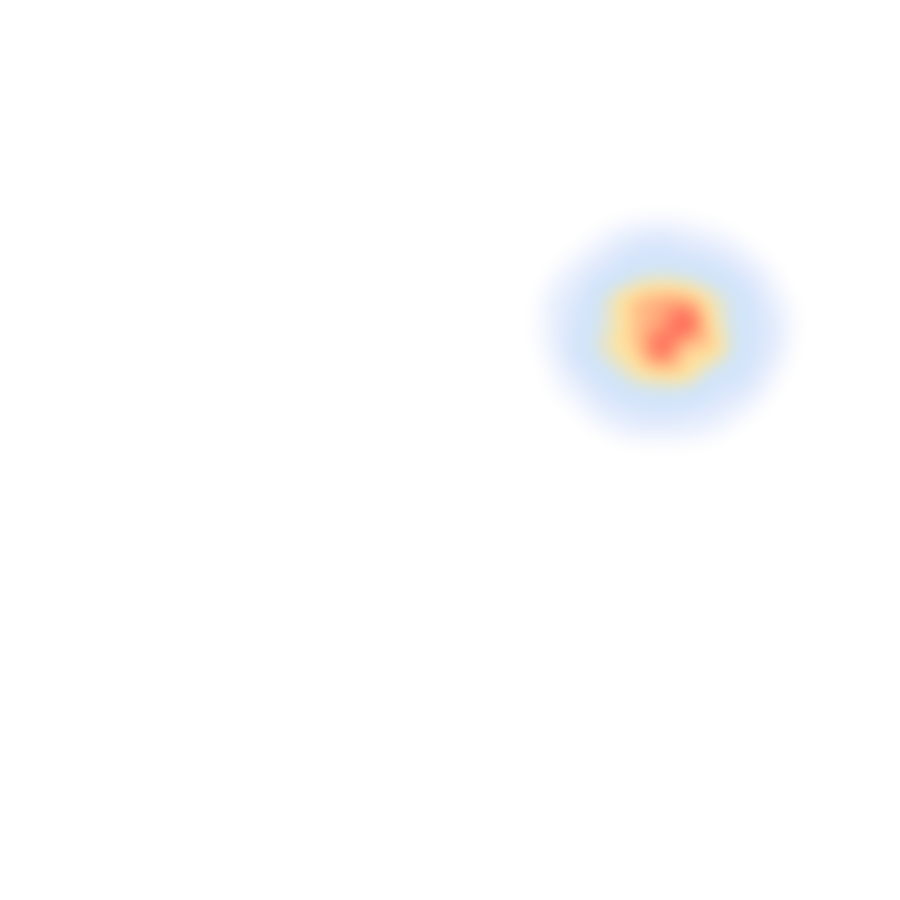
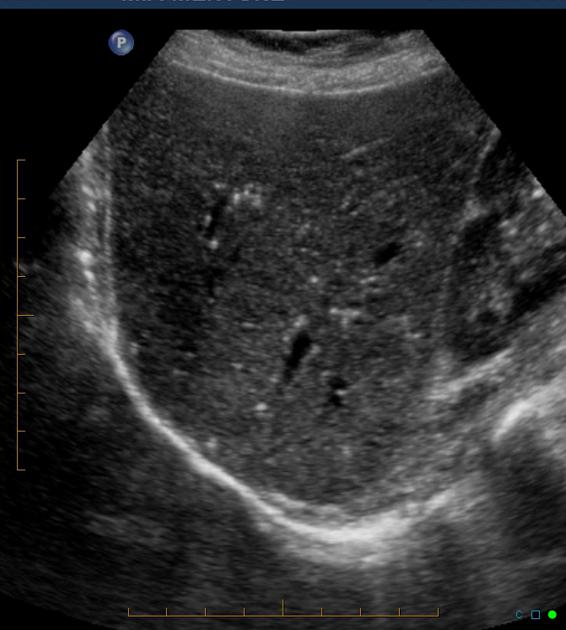
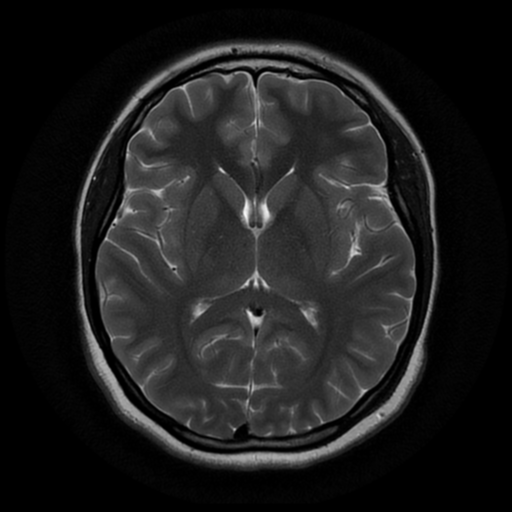
Select a modality. The heat map shows the region that drove the finding. The score is the model’s confidence that the finding is real.

Axial CT slice with a highlighted region in the right lung
Chest X-ray with a highlighted opacity in the left upper lung
Abdominal ultrasound with a highlighted lesion
Brain MRI with a highlighted mass
Illustrative render
The cases that matter

Standard AI is built for the common case. We build for the rest.

The findings that change a patient’s outcome are often the ones a trained model is least prepared for.

01

Early findings too subtle to see

A tumor at the stage where treatment works best can look almost like healthy tissue. Models trained on obvious examples learn to wait for obvious examples.

What we do. We evolve the model against confirmed early cases, with a hard floor on recall for the finding that matters, so it learns to commit before the finding is large.

02

Rare disease with almost no data

For most rare conditions no single hospital has enough examples to train on. A model that needs thousands of cases never gets built.

What we do. We start from systems that already read anatomy well and evolve how they augment, weight, and vote on the few cases that exist.

03

The scan looks different at your hospital

Different scanners, protocols, and patient populations change what a model sees. Accuracy measured somewhere else does not travel.

What we do. Every candidate is scored on your scanners and your sites, and the one that is worst on any single site is the one we judge it by.

04

The patients the training data left out

A model that is accurate on average can be unreliable for a group that was underrepresented when it was trained.

What we do. The gap between groups is one of the objectives the model is evolved on. It cannot win by getting better for some patients at the expense of others.

Opportunistic screening

Every scan, read for everything.

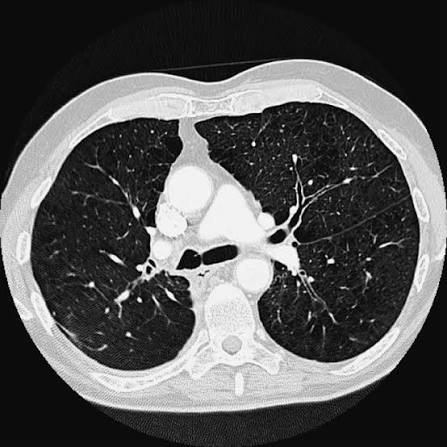
A chest CT is ordered to answer one question. The image holds answers to several more. Our systems read the whole scan and raise every finding worth a clinician’s attention, including the ones nobody was looking for.

The clinician stays in charge. The system assists, flags, and shows its evidence. It does not diagnose and it does not decide.

Chest CT · ordered forSuspected pulmonary embolism
  • Pulmonary embolismReason for the scan. Reviewed first.
    Ordered
  • Pulmonary noduleRight lower lobe, solid, under 8 mm
    Also found
  • Coronary artery calcificationVisible on a non gated study
    Also found
  • Vertebral compressionMid thoracic, height loss
    Also found
  • EmphysemaUpper lobe predominant
    Also found

One scan. Five findings. Four of them would otherwise wait for a symptom.

How we evolve it

Not one model. A population that gets selected.

We keep many versions of the model alive at once, score each against your cases and your priorities, keep the strongest, recombine them, and repeat.

Generation 1 62% Recall on early findings

The starting population. Our trained imaging models, varied in how they preprocess, weight rare cases, and decide.

Generation 6 84% Recall on early findings

Weak candidates are gone. The survivors share the settings that worked together: window, patch size, loss weighting.

Generation 14 93% Recall on early findings

Fit to your scanners, your case mix, and your false positive budget, with the gap between patient groups held within limits.

Illustrative run. Replace with results from a client engagement.

Why evolution and not more tuning

The settings inside a medical model interact. The right decision threshold depends on the loss weighting, which depends on the preprocessing. Tuning them one at a time stops at the first local optimum. A population explores combinations, and crossover between strong candidates carries working combinations forward together. In genetics this interaction is called epistasis. It is the reason we search this way.

What the model is judged on

  • Recall on the finding that matters, at the false positive budget your readers can live with
  • Accuracy on the worst scanner and site, not the average
  • The gap between patient groups
  • Whether a 90 percent score means the same thing on every case
  • Inference time inside the reading workflow

No single number. The output is a set of models with different tradeoffs, and your clinical team picks the operating point.

The difference

What you get from a typical vendor, and what you get from us.

Typical imaging AIALBA
TrainingTrained once on an averaged datasetEvolved on your scanners, your sites, and your cases
ScopeOne finding per productEvery finding on the scan, including the unexpected ones
Hard casesTuned for the common presentationRecall floor on early and rare findings that cannot be traded away
EvidenceA scoreA score, a heat map, and the region, on every flag
FairnessChecked after the fact, if at allAn objective the model is selected on
After launchWaits for the next vendor releaseNew generations on your confirmed outcomes, with a full audit trail
Who decidesOften unclearAlways the clinician. The system flags and shows its work.
Bring us the scans your current tools get wrong. We will baseline our systems on your archive, evolve them against your priorities, and show you the difference on your own cases.
Partner With ALBA